
Meet Cooper: NCAA Athlete and Life with Type 1 Diabetes


I was 11 years old when my life changed. The constant thirst, the fatigue that wouldn't quit, the feeling that something inside me was just wrong. When the diagnosis came back as type 1 diabetes, I had absolutely no clue what it was or what to do with it. I knew my sister had it, but she was four years older than me and I couldn’t care less about something she had; I was an ignorant pre-adolescent. I just knew I was utterly frightened, but felt like I couldn’t tell anyone that, and that the game of basketball I'd been entirely devoted and in love with all my life, suddenly felt uncertain.
But here's what I decided upon returning from the emergency room. Type 1 diabetes was going to have to keep up with me, not the other way around. Playing forward in college basketball is physically brutal on its own. You're fighting for position every possession, banging bodies, sprinting the floor, competing at a level where everyone is strong and everyone is hungry. Now, add managing your CGM, blood glucose, and an insulin pump to that equation, checking my levels constantly. Adjusting insulin around practices that can flip my blood sugar without warning. Eating with enough precision that I can give everything I have in the fourth quarter without my body working against me. Unfortunately, as I realize now after having diabetes for a decade, there is no hiding it, and I stopped trying to.
My Omnipod 5 is on my body during warmups. My CGM is part of my routine the same way film is. The grind and hustle of managing type 1 during the season is real. There were practices where my glucose dropped and I had to step off the floor—my worst nightmare. Games where I had to make adjustments during warmup that nobody else on the team had to think or worry about. Moments where it was genuinely infuriating, and I had to be honest with myself about that instead of just pushing through blindly. What I learned is that managing the disease is part of the competition. It's preparation. It's discipline. The same mentality that made me an NCAA First-Team All-Conference player is the same mentality I bring to staying on top of my health, because one doesn't work without the other.
I'm not sharing my story to inspire you in some vague way. I'm sharing it because if you're a young athlete sitting with a fresh diagnosis right now, thinking your sport is over, thinking your body just became your opponent, trust me, it didn't. You're going to have to learn it differently than everyone else. But it’s not hard, it's just new. You're going to have to be more diligent, more intentional, and more honest about what your body needs. But that work will not hold you back. It builds something in you! Type 1 diabetes is part of my story, and it will not be the end of it.
Related Stories
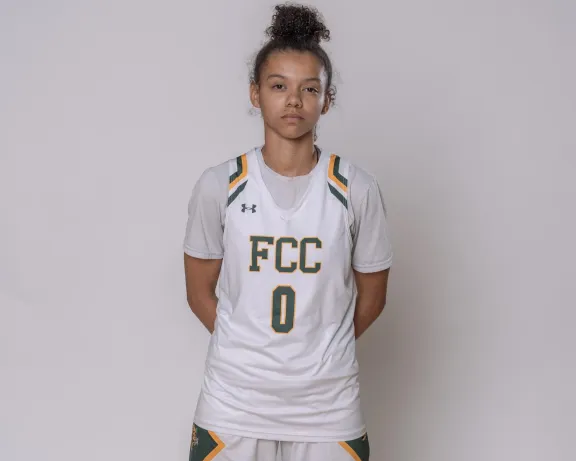
Meet Trinity: Surviving DKA (Ketoacidosis) and Learning to Live with Type 1 Diabetes
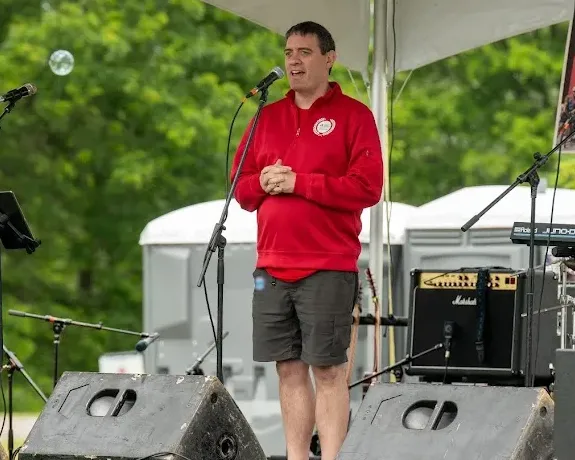
Meet Todd: Taking Action After Son's Type 1 Diabetes Diagnosis
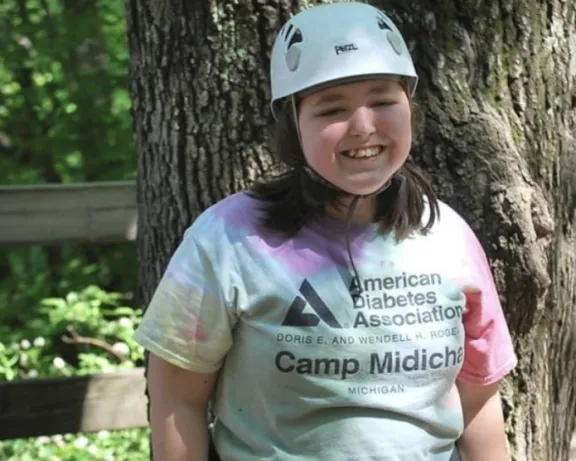
Meet Carly: Misdiagnosed at 10, Now a Powerful Type 1 Diabetes Advocate
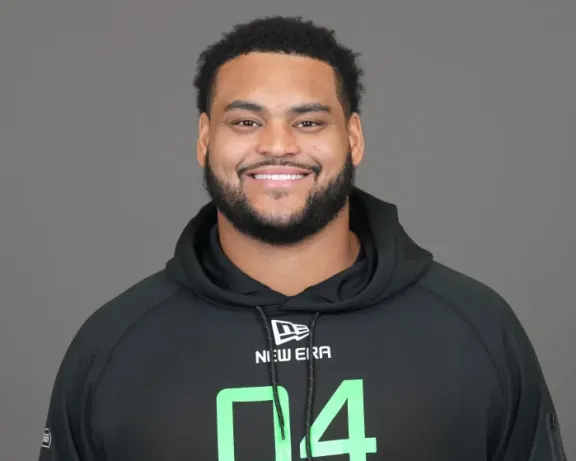
Meet Logan: NFL Athlete Thriving with Type 1 Diabetes
Meet Stephanie: Figuring Out College and Type 1 Diabetes

Meet Tama: Type 1 Diabetes Diagnosis 43 Years Ago Leads to Career in Health Care

Meet Tonya: Consistent Changes Lead to Results with Prediabetes
Meet Allie: Not Letting Type 1 Diabetes Slow Her Down

Give Today and Change lives!
With your support, the American Diabetes Association® can continue our lifesaving work to make breakthroughs in research and provide people with the resources they need to fight diabetes.