
Meet Trinity: Surviving DKA (Ketoacidosis) and Learning to Live with Type 1 Diabetes


I was first diagnosed with type 1 diabetes when I was two years old. My parents told me they knew something was off when my breath was beginning to smell like fruit and I had pretty heavy diapers. They took me to the hospital and got the diagnosis shortly after. They told me that I had to stay there for a few days to get my glucose under control as well as so they could learn about how to properly treat and manage diabetes for me since I was so young at the time. My earliest memory of type 1 is having to be on an insulin pump. I had mixed emotions about a pump my whole life. A lot of the time when someone would ask me about it, I would get embarrassed and try my best to avoid even talking about the question because I had a lot of fear that people would not understand. Growing up there were people who made fun of me for having it, but there were also people who were always in my corner supporting me and shutting down the people who were rude. It’s all about finding your people, because not everyone will understand and that’s something I have learned to be okay with over the years.
I have had two encounters with DKA. The main thing I would say is it seems unreal how fast symptoms can hit you. One night you go to bed feeling fine and the next day you wake up throwing up, with all kinds of different symptoms that would warrant a hospital visit. But even though the process seemed like it happened fast to me, there was a lot going on in my body that I did not know about until the symptoms began to show. When there is a lack of insulin in your body, that leads to higher blood glucose levels, and having high levels for a long period of time becomes detrimental. Whenever I had high blood sugar levels, my parents would make me check my ketones, and if I had some, they would make me drink a lot of fluids so that I could flush them out. I did not really think too much about ketones at a young age and just thought that they eventually clear up and do no real damage to the body, but as I got older, I understood why my parents took it so seriously. A lot of early warning signs of DKA consist of being extremely thirsty for what seems like no reason at all. But these warning signs are your body trying to tell you something is not right, and when your body gives you these warnings, you need to pay attention to them and do your best to fix the situation immediately. Before my first DKA episode, I did not even know what it was. I knew that sometimes if your blood sugar was too high for too long you could end up in a coma or even dead, but I never thought I would ever get close to anything like that—I thought I was an exception.
I would say that my health care provider ALWAYS tried to inform me of the risks I was taking with high blood sugar constantly, as well as eating either without giving myself insulin at all or giving it too late. I always had people trying to inform me, but I never thought I needed the information; I thought I was different. I ended up having two separate episodes of DKA over a span of a couple years, with my second episode beginning at school and ending in me having to miss my playoff game of basketball that ended my sophomore year season. Everyone in the hospital took great care of me, and my parents took great care of me by getting me there as soon as they could and making sure I got the correct care as fast as possible. The only thing I wish that was done differently was my personal management of my condition. My episodes weren’t the result of anyone but my own, and I wish now that I took all the information from both my parents and my doctor seriously, because it could have prevented all of what happened.
Today I am a lot more careful about how I manage my diabetes. I do appropriate carb counting before each meal and make sure I do not eat any more than I originally accounted for without the appropriate insulin dosage. It is important to take immediate action, because in some cases, waiting too long can mean the difference between life and death. Whenever I have high blood sugar, I always try to test my ketones, if possible, to make sure that there are not any present.
I stay prepared to test ketones by keeping a bottle of ketone test stripes in my blood sugar bag that I carry around with me, as well as keeping a bottle in my room for whenever I am home. I treat them by trying to flush them out by drinking a lot of fluids and checking every 15 to 20 minutes and repeating the process until they are out of my system.
The role my care team played in helping me develop a ketone management plan is that my doctor always reminded me how important it is to have strips available at any time because you never know when you will need them, and my parents helped me by providing the strips for me, as well as making sure to remind me to check every so often to make sure nothing is out of date.
Advice I would like to share with others to help prevent DKA is to believe the warning signs your body gives you, trust in what your doctors say and buy into it, take every day one step at a time, and always try your best. Not every day will be easy, and the path is not linear, but God will never give you a battle you cannot handle. Everyone has their own struggles, but diabetes does not have to be a struggle.
Related Stories

Meet Cooper: NCAA Athlete and Life with Type 1 Diabetes

Meet Todd: Taking Action After Son's Type 1 Diabetes Diagnosis
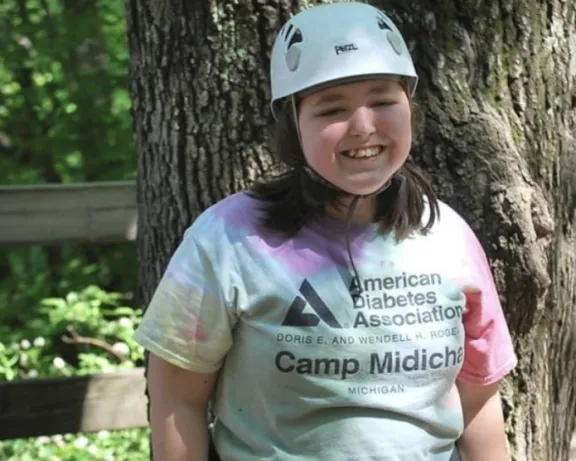
Meet Carly: Misdiagnosed at 10, Now a Powerful Type 1 Diabetes Advocate
Meet Logan: NFL Athlete Thriving with Type 1 Diabetes

Meet Stephanie: Figuring Out College and Type 1 Diabetes

Meet Tama: Type 1 Diabetes Diagnosis 43 Years Ago Leads to Career in Health Care

Meet Allie: Not Letting Type 1 Diabetes Slow Her Down
Remembering Diani: A Mother's Fight to Help Others with Type 1 Diabetes

Give Today and Change lives!
With your support, the American Diabetes Association® can continue our lifesaving work to make breakthroughs in research and provide people with the resources they need to fight diabetes.