
Meet Faith: Learning to Navigate the Challenges of Type 1 Diabetes


It was July of 2008 when everything changed. I was only four years old, barely old enough to write my name or tie my shoes. I found myself in the middle of something no child could truly understand: a medical crisis that would shape the rest of my life. At first, no one knew what was wrong with me. I was constantly thirsty, always tired, and losing weight rapidly. I didn’t want to play, didn’t want to eat, and seemed to be slipping further away every day. My parents were terrified. They took me to the doctor, then to the emergency room, and finally, I ended up in the children’s hospital. I had gone into diabetic ketoacidosis (DKA) which is a life-threatening condition caused by extremely high blood sugar levels and a lack of insulin. My body was literally breaking down fat as fuel because it couldn’t process glucose. I was critically ill. After a whirlwind of tests, IVs, and scared looks exchanged between doctors and nurses, I was diagnosed with type 1 diabetes. It was confusing, terrifying, and overwhelming for me and my family. No one in our family really understood diabetes, let alone how to care for a four-year-old with it. We were thrown into a world of numbers, needles, and carb counting. My time at the children’s hospital was filled with education, trial and error, and so many tears. I didn’t understand why this was happening to me. Why I had to get so many shots. Why I couldn’t just eat a snack without someone pulling out a glucometer.
In the beginning, I was on multiple daily insulin injections. Tiny arms, tiny fingers, and a world of constant pokes. I had to check my blood sugar many times a day. Before meals, after meals, before bed, and in the middle of the night. My parents became my caregivers and my constant worry-wart protectors. Over time, I transitioned to an insulin pump, which gave me a bit more freedom but came with its own challenges. Site changes every few days, tubing to get caught on doorknobs, and alarms going off at the worst times. I’ve now lived with type 1 diabetes for 17 years. That’s 17 years of nonstop calculations, constant vigilance, and invisible battles. There are no breaks, no vacations from this disease. My blood sugar doesn’t care if I’m tired, busy, at school, at a party, or on a date. It’s always there, demanding attention. Growing up with diabetes wasn’t easy. Other kids didn’t understand why I had to leave class to check my blood sugar or why I had something clipped to my pants. They didn’t understand the panic when I felt shaky and confused or why I had to eat in the middle of a test. Some were curious, but others were judgmental or just plain mean. I felt different. I was different.
There have been many hard days. Days when my blood sugar wouldn’t cooperate no matter what I did, when I cried because I felt like a prisoner in my own body, when I wanted to scream at how unfair it all was. And yet, somehow, I kept going. Type 1 diabetes has taught me strength I didn’t know I had. It taught me to be resilient, to advocate for myself, and to appreciate the small victories like waking up in range or getting through a week without a pump failure. But it’s also taught me fear. The fear of lows I don’t wake up from. The fear of long-term complications. The fear of not being understood. This isn’t a story about how I “beat” diabetes. You don’t beat it. You manage it every day, every hour, every minute. But this is my story. It started in a children’s hospital in 2008, and it continues, every day, with every injection, every infusion set change, every carb counted, every blood sugar checked. I’m still here. Still fighting. Still managing. And that, in itself, is a kind of victory. Today my current A1C is 6.9 with the help of the omnipod and dexcom.
Related Stories

Meet Kassandra: 10 Years of Thriving with Type 1 Diabetes
Meet Ginny: Living Life to the Fullest with Type 1 Diabetes
Meet Jose: Empowered to Keep Fighting with Type 2 Diabetes
Meet Miranda: Taking Charge of Your Health with Type 2 Diabetes
Meet Brittany: From Physician Associate Student to Type 1 Diabetes Patient

Meet Pedro: Finding New Purpose with Type 1 Diabetes
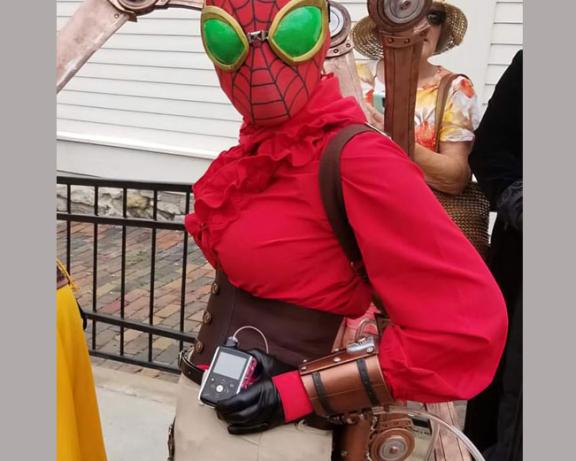
Meet Gracie: From DKA (Ketoacidosis) to Charity Work with Type 1 Diabetes

Meet Victor
Give Today and Change lives!
With your support, the American Diabetes Association® can continue our lifesaving work to make breakthroughs in research and provide people with the resources they need to fight diabetes.